SOFIRUX helps organisations assess and plan custom web and software projects in Tunisia. A bespoke application may be appropriate when existing products do not fit a defined workflow, need to exchange data with other systems, or require specific business rules. The right approach depends on the requirements, budget, integrations, security needs and long-term operating costs; custom development is not automatically the best choice for every project.
Custom software and web development services
- Business web applications: browser-based tools for defined operational workflows, user roles and reporting needs.
- Websites and portals: public-facing websites, customer portals and internal interfaces, depending on the agreed scope.
- Business process automation: workflows that reduce repetitive data entry, make task status visible and help teams apply consistent rules.
- API and system integration: exchanges between applications, subject to the capabilities, documentation and access rights of the systems involved.
- Application evolution: analysis, bug fixing, refactoring or feature development for an existing application after its condition and constraints have been assessed.
How a project is planned and delivered
- Discovery: discuss the business problem, current process, users, constraints and desired outcomes. Identify whether an existing product or configuration could meet the need.
- Requirements and scope: document functional requirements, user roles, data flows, integrations, non-functional needs, acceptance criteria and exclusions.
- Solution design: agree the application architecture, data model, interfaces, permissions, backup approach and deployment environment appropriate to the project.
- Implementation: develop in agreed increments, track changes in version control and review work against the requirements.
- Testing and acceptance: test expected behaviour, error cases, access control, integrations and relevant performance and security concerns. The client validates the agreed acceptance criteria.
- Deployment and handover: plan the release, document configuration and operating procedures, and confirm access, backups and any agreed support arrangements.
The exact process, documentation and delivery milestones are defined for each project. Continuous integration or automated tests may be included where they suit the architecture and are part of the agreed scope; they are not a substitute for acceptance testing or operational monitoring.
Illustrative workflow: from manual tracking to a shared process
The following is a hypothetical example to explain the design approach, not a claim about a named client or a measured SOFIRUX result.
- Before: requests are exchanged by email or spreadsheets, status is updated manually, and team members may work from different versions of the same information.
- Possible solution: a shared application records each request with an owner, status, timestamps and validation rules; role-based access controls who can view or change records; a dashboard summarises pending work.
- How to assess it: agree baseline measures such as time spent entering data, duplicate records, processing time and overdue requests. Compare them after deployment using the same definitions and a suitable observation period.
Whether this design is suitable depends on the real process, user needs, integration requirements and data sensitivity. No productivity gain or financial result should be assumed before measurement.
Technical quality, security and maintainability
Technical choices should follow the requirements rather than a fixed technology trend. Depending on the project, design and review may cover:
- Clear separation of business rules, interface code and data access where appropriate.
- Server-side validation of input and permission checks for each protected operation.
- Authentication and role-based authorisation matched to the sensitivity of the data.
- Safe handling of secrets, dependency updates, logging and error messages that do not expose confidential information.
- Automated or manual tests for critical workflows, edge cases and regressions.
- Backup, restoration and deployment procedures appropriate to the service’s operational requirements.
- Performance testing against an agreed workload rather than unsupported claims about unlimited scale.
For example, a business application should validate an input on the server and verify that the current user is authorised before changing a record. Hiding an edit button in the interface alone is not an access-control measure. The precise implementation depends on the framework and application architecture.
Useful public references include the OWASP Application Security Verification Standard, which provides security verification requirements, and the OWASP Top 10, which describes important web application security risks. These links are technical references, not certifications or endorsements of SOFIRUX.
Custom software or an existing product?
Before committing to bespoke development, compare the total cost and fit of existing software, configuration, extensions and custom code. Consider subscription or licence costs, migration, integrations, training, data export, hosting, maintenance and the ability to change provider. A custom solution may offer a closer fit, but it also creates responsibilities for ongoing maintenance and technical continuity.
Budget and quotation
There is no single reliable price for every custom application. A quotation depends on the validated scope and should state the currency, applicable taxes, deliverables, assumptions, exclusions, milestones and payment schedule. Main cost factors include:
- Number and complexity of user journeys, screens and business rules.
- User roles, permissions, audit trails and data migration.
- External APIs, third-party systems and integration testing.
- Design requirements, supported devices and accessibility needs.
- Hosting, security, backup, monitoring and deployment requirements.
- Testing, documentation, training and post-launch support.
The quotation process is straightforward: share the business need and existing documentation; review the scope and open questions; receive a proposal with deliverables, assumptions, costs and milestones; then approve the proposal before work begins. If the requirements are not yet clear, a separately scoped discovery phase may be proposed. No price or deadline should be treated as confirmed until it appears in the accepted proposal.
Maintenance, warranty and ownership
Software requires maintenance after launch. Before the project starts, agree who is responsible for hosting and infrastructure, monitoring, backups, security updates, bug reports, corrective fixes and future enhancements. The contract or quotation should specify any warranty period, what qualifies as a defect, response arrangements, exclusions, maintenance fees and the process for requesting changes. This page does not promise a universal warranty or a fixed response time.
The agreement should also specify the ownership or licence of deliverables, source code and project-specific documentation, plus any third-party components and their licence conditions. Access credentials and handover materials should be transferred through an agreed secure process. Continuing maintenance is included only when explicitly stated in the accepted scope.
Experience and public references
SOFIRUX publishes a references page with links to publicly accessible websites. A public website alone does not establish the exact services commissioned, the team’s role or the results achieved. Client names, project descriptions, testimonials and performance figures should only be added where they are accurate, verifiable and authorised for publication.
Contact and company information
SOFIRUX is based at Rue des Orangers, Dar Chaabane El Fehri, Tunisia. To discuss a project, contact the company using the contact details published on this website. For company information, see the legal notice.
Frequently asked questions
When should we choose custom software?
Consider it when a documented business need cannot be met adequately through an existing product, configuration or extension, and when the organisation can support the solution over time.
Can SOFIRUX guarantee business success?
No responsible development proposal can guarantee a particular commercial outcome. The project can define deliverables, acceptance criteria and measurable objectives, but business results depend on factors beyond the software alone.
How long will development take?
Timing depends on scope, integrations, access to requirements and data, review cycles and acceptance testing. A schedule should be agreed after the scope is assessed and may be revised if requirements change.
Does the project include maintenance?
Only if maintenance is included in the accepted proposal. The agreement should define coverage, fees, response arrangements and exclusions.
Request a free quote




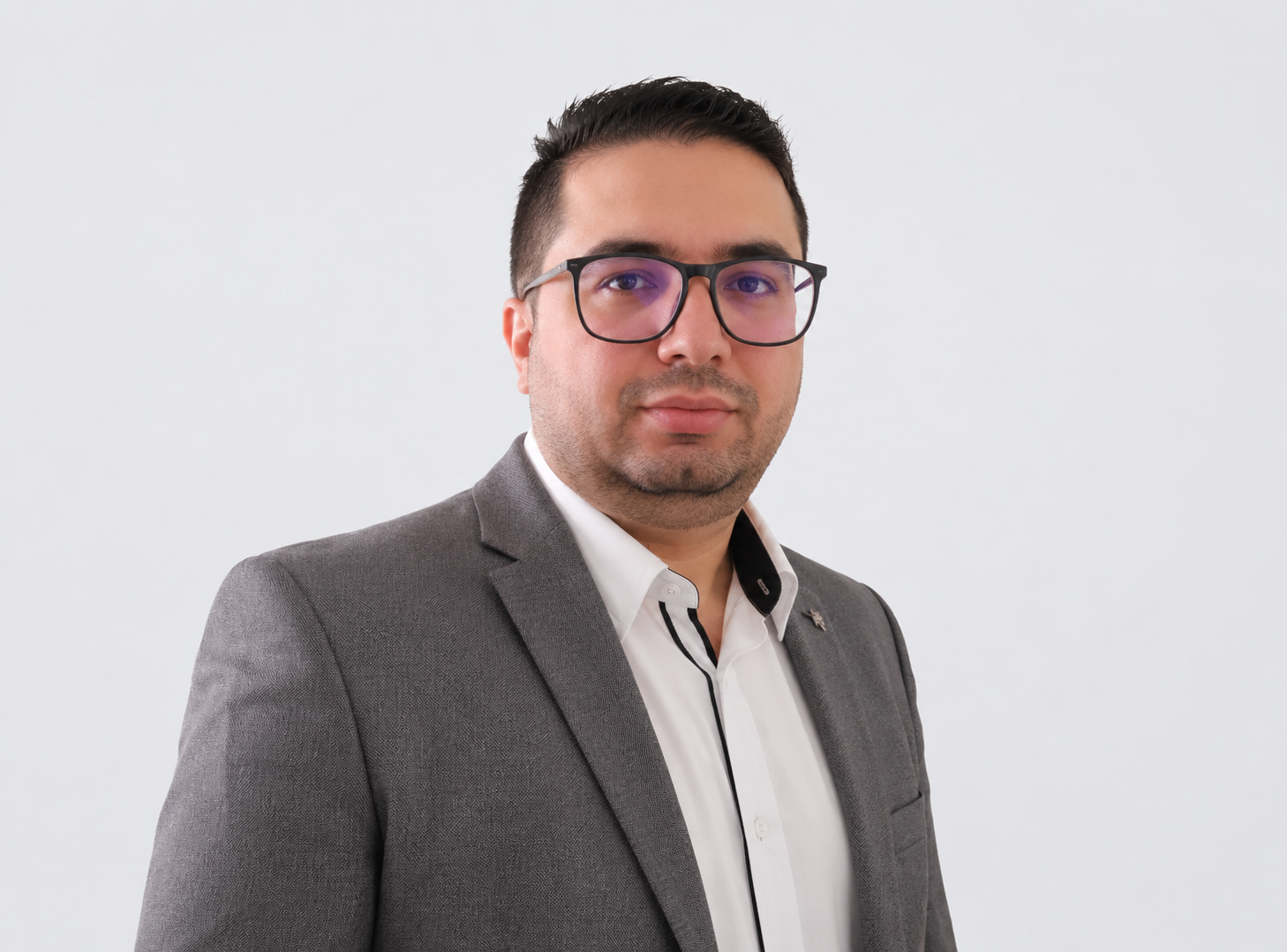
 Amine SETHOM

 Amjed H.

 Nawel B.